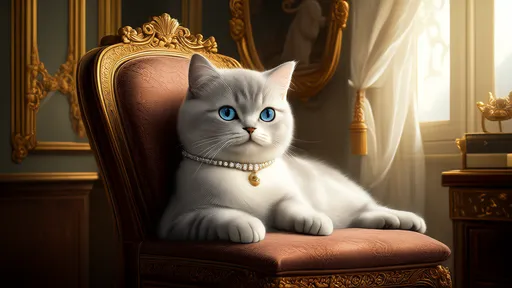
Throughout history, the lives of monarchs have often been intertwined with their beloved pets, and few animals have enjoyed as privileged a position as the cats favored by royalty. From the courts of Louis XV to the reign of Queen Victoria, felines have been cherished companions, symbols of status, and even political players in their own right. These regal pets were more than mere animals—they were extensions of the monarchs themselves, embodying elegance, mystery, and power.
In 18th-century France, Louis XV developed a deep affection for cats, a somewhat unusual preference in a court that traditionally favored dogs. His favorite, a sleek Angora named Brillant, was said to have free rein of the palace at Versailles. Courtiers quickly learned that the king’s mood could often be gauged by the presence or absence of his feline companion. Brillant was pampered with the finest foods, including dishes prepared by the royal kitchens, and was frequently depicted in portraits alongside the king. This marked a shift in aristocratic attitudes toward cats, which had previously been associated with superstition rather than refinement.
The French Revolution brought an end to the lavish lifestyles of royal pets, but the tradition of feline companionship among Europe’s elite persisted. Napoleon Bonaparte, though not particularly fond of cats himself, reportedly kept them in his households to control vermin. It was his first wife, Empress Joséphine, who became known for her love of exotic animals, including cats imported from distant lands. Her menagerie at Malmaison included several prized felines, which she often showcased to visiting dignitaries as symbols of France’s global reach.
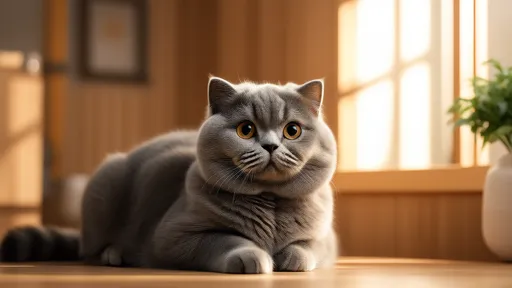
Across the Channel, British royalty developed its own longstanding relationship with cats. Queen Victoria, often remembered for her strict moral code and expansive empire, was also an ardent animal lover. Her journals reveal a particular soft spot for cats, which she kept both as working mousers and cherished pets. Unlike the French court’s preference for long-haired breeds, Victoria favored British shorthairs, admiring their sturdy build and dignified demeanor. Her cat White Heather became something of a celebrity, frequently mentioned in newspaper accounts of royal life.
Victoria’s influence extended beyond mere pet ownership. Her public affection for cats helped reshape their image in Victorian society, where they had previously been viewed with suspicion by some. The queen’s endorsement contributed to the growing popularity of cat shows, the first of which were held during her reign. Breeders began developing new varieties to meet aristocratic demand, and the cat fancy movement took root among Britain’s upper classes. Paintings and photographs of the queen often included feline companions, reinforcing the connection between royalty and cats in the public imagination.
The royal tradition of keeping cats continued into the 20th century, though with less fanfare than during Victoria’s time. Modern monarchs have tended to be more discreet about their pets, perhaps recognizing that in an age of mass media, even a monarch’s cat could become a subject of intense public scrutiny. Yet the legacy of these regal felines endures in art, literature, and the continued association between cats and sophistication. From the sunlit halls of Versailles to the foggy corridors of Windsor Castle, cats have left their paw prints on history—quietly observing, and occasionally influencing, the affairs of kings and queens.
By /Jun 12, 2025
By /Jun 12, 2025
By /Jun 12, 2025
By /Jun 12, 2025
By /Jun 12, 2025
By /Jun 12, 2025
By /Jun 12, 2025
By /Jun 12, 2025
By /Jun 12, 2025
By /Jun 12, 2025
By /Jun 12, 2025
By /Jun 12, 2025
By /Jun 12, 2025
By /Jun 12, 2025
By /Jun 12, 2025
By /Jun 12, 2025
By /Jun 12, 2025