For cat owners who adore long-haired breeds, the luxurious coats of Persians, Maine Coons, or Balinese cats are undoubtedly part of their charm. However, that beautiful fur comes with a price – the constant battle against tangles and mats. Unlike their short-haired counterparts, these feline aristocrats require dedicated grooming routines to maintain their magnificent manes. The journey from Persian to Balinese represents a spectrum of long-haired breeds, each with unique coat textures and grooming challenges that demand tailored approaches.
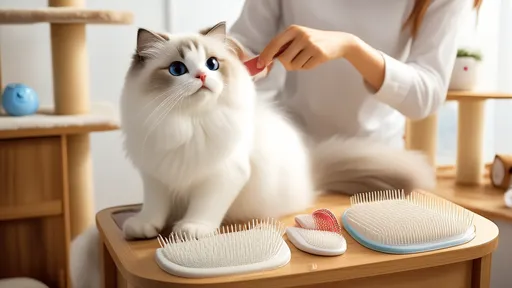
The Persian cat, with its iconic flowing coat, stands as the poster child for high-maintenance grooming. Their fine, silky fur tends to mat close to the skin, creating hidden knots that can quickly become problematic. Regular brushing isn't just recommended – it's essential for their wellbeing. Many Persian owners find that establishing a daily grooming ritual not only prevents mats but also creates precious bonding time. The key lies in using the right tools: a wide-toothed comb for detangling followed by a slicker brush to smooth the coat. Pay special attention to trouble spots like behind the ears, under the legs, and around the collar area where friction creates ideal conditions for mat formation.
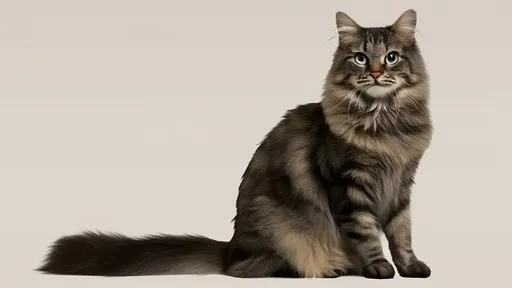
Moving along the spectrum, we encounter the Maine Coon, whose semi-long, water-resistant coat presents different challenges. While their fur doesn't mat as easily as the Persian's, the sheer volume and length require consistent maintenance. The Maine Coon's coat consists of a dense undercoat topped with longer guard hairs, creating a texture that benefits from thorough weekly brushing sessions. During seasonal shedding periods, these gentle giants may need daily attention to prevent their loose fur from forming painful mats. A metal comb combined with an undercoat rake proves most effective for working through their thick fur without causing discomfort.
The Balinese, often described as the long-haired Siamese, boasts a single coat that lacks the dense undercoat of many other long-haired breeds. This makes their grooming needs somewhat less intensive but no less important. Their fine, silky fur tends to lie close to the body and forms softer tangles rather than tight mats. Weekly brushing with a soft bristle brush or fine-toothed comb helps distribute natural oils and prevent knots from forming. What makes the Balinese unique is their tendency to develop "feathering" on their tails and hindquarters, areas that require extra attention during grooming sessions.
Regardless of breed, prevention remains the golden rule in the fight against mats. Establishing a consistent grooming routine from kittenhood helps cats associate brushing with positive experiences. Many long-haired cats actually enjoy their grooming sessions once they become accustomed to the process. For particularly resistant felines, incorporating treats and praise can transform grooming from a battle into a pleasant ritual. Remember that mats often start small and grow worse over time, so addressing minor tangles promptly prevents more serious issues down the line.
When mats do form despite preventive measures, proper removal techniques become crucial. Never attempt to cut out mats with scissors, as it's easy to accidentally cut the cat's delicate skin. Instead, use a mat splitter or dematting tool designed specifically for pet grooming. For severe cases, seeking professional help from a groomer or veterinarian may be the safest option. In some instances, carefully shaving affected areas under professional supervision becomes necessary to relieve the cat's discomfort and allow healthy regrowth.
Beyond brushing, other factors contribute to coat health. Nutrition plays a vital role – high-quality diets rich in omega fatty acids promote skin health and coat shine from the inside out. Regular baths with appropriate feline shampoos can help prevent matting, though frequency depends on the individual cat's needs and lifestyle. Many long-haired cats benefit from occasional trims, particularly around the hindquarters to prevent fecal matter from clinging to their fur. Some owners opt for "sanitary clips" performed by professional groomers to maintain hygiene in these sensitive areas.
Environmental considerations also impact coat condition. Dry indoor air during winter months can lead to static electricity that encourages tangling. Using humidifiers and anti-static sprays designed for pets can help mitigate this issue. Providing scratching posts and pads helps cats naturally maintain their claws, preventing them from getting caught in their own fur during grooming. Even something as simple as the type of collar or harness can make a difference – smooth, snag-free materials reduce friction that leads to matting around the neck area.
Understanding each breed's specific needs transforms grooming from a chore into an art form. The Persian demands daily attention to its delicate fur, while the Maine Coon requires thorough weekly sessions to manage its substantial coat. The Balinese falls somewhere in between, with its relatively low-maintenance single coat that still benefits from regular care. What unites all long-haired breeds is the need for compassionate, consistent care that respects their individual characteristics while preventing the discomfort of matted fur.
Ultimately, sharing your life with a long-haired cat represents a commitment to their wellbeing that goes beyond basic care. Their stunning coats serve as testaments to the time and love invested in their maintenance. Whether you're captivated by the Persian's regal fluff, the Maine Coon's rugged elegance, or the Balinese's silky grace, understanding and meeting their grooming needs ensures these magnificent cats can live comfortably while showcasing their natural beauty at its best.
By /Jun 12, 2025
By /Jun 12, 2025
By /Jun 12, 2025
By /Jun 12, 2025
By /Jun 12, 2025

By /Jun 12, 2025

By /Jun 12, 2025
By /Jun 12, 2025
By /Jun 12, 2025
By /Jun 12, 2025

By /Jun 12, 2025
By /Jun 12, 2025

By /Jun 12, 2025
By /Jun 12, 2025

By /Jun 12, 2025
By /Jun 12, 2025
By /Jun 12, 2025