When it comes to large cat breeds like the Siberian and Norwegian Forest cats, their nutritional needs are as majestic as their appearance. These feline giants require carefully balanced diets to maintain their robust health, luxurious coats, and energetic lifestyles. Unlike their smaller domestic counterparts, these cats have evolved to thrive in harsh climates, which means their metabolism and dietary requirements differ significantly.
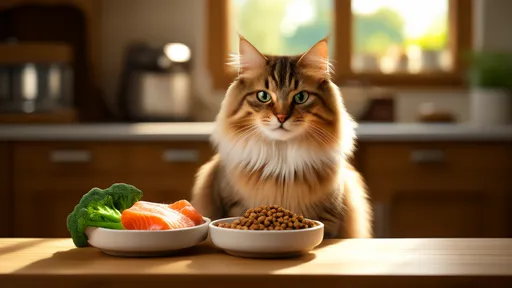
The foundation of any good diet for large cats begins with high-quality protein. Siberian and Norwegian Forest cats are natural hunters, and their bodies are designed to process animal-based proteins efficiently. Look for recipes that list whole meats like chicken, turkey, or fish as the first ingredient. Plant-based proteins simply don’t provide the essential amino acids, such as taurine and arginine, that these breeds need for muscle maintenance and heart health.
Fat content is another critical factor in their diet. These cats burn calories quickly, especially during colder months when their thick double coats demand extra energy. Omega-3 and Omega-6 fatty acids play a vital role in maintaining their signature glossy fur and reducing skin inflammation. Ingredients like salmon oil, flaxseed, and chicken fat are excellent sources of these essential fats. However, moderation is key—too much fat can lead to obesity, which is a growing concern even among active large breeds.
Carbohydrates often spark debate among feline nutritionists. While some argue that cats, as obligate carnivores, have no need for carbs, others believe that limited amounts of digestible grains or vegetables can provide beneficial fiber. For Siberian and Norwegian Forest cats, a small portion of easily digestible carbs like sweet potatoes or peas can aid in digestion without spiking blood sugar levels. The key is to avoid fillers like corn, wheat, or soy, which offer little nutritional value and may trigger allergies.
Hydration is frequently overlooked but is just as important as solid food. Large cats, particularly those with dense fur, are prone to urinary tract issues if they don’t consume enough water. Wet food can be a great supplement to dry kibble, as it provides additional moisture. Some owners even invest in cat water fountains to encourage drinking, as these breeds often prefer running water—a trait inherited from their wild ancestors.
Life stage and activity level should also influence dietary choices. Kittens of these breeds grow rapidly and need calorie-dense food packed with vitamins and minerals. Adults require a balanced maintenance diet, while seniors benefit from added joint support, such as glucosamine and chondroitin, to combat arthritis. Active cats who spend time outdoors may need more calories than their indoor counterparts, but portion control remains crucial to prevent weight gain.
Lastly, it’s worth noting that individual preferences and tolerances vary. Some Siberian or Norwegian Forest cats may develop sensitivities to certain proteins or grains. Paying close attention to their coat condition, energy levels, and litter box habits can help identify any dietary adjustments needed. Consulting with a veterinarian who understands large cat breeds can provide personalized recommendations to ensure your feline friend thrives for years to come.
By /Jun 12, 2025

By /Jun 12, 2025
By /Jun 12, 2025
By /Jun 12, 2025
By /Jun 12, 2025
By /Jun 12, 2025
By /Jun 12, 2025
By /Jun 12, 2025

By /Jun 12, 2025
By /Jun 12, 2025

By /Jun 12, 2025
By /Jun 12, 2025

By /Jun 12, 2025
By /Jun 12, 2025

By /Jun 12, 2025
By /Jun 12, 2025
By /Jun 12, 2025