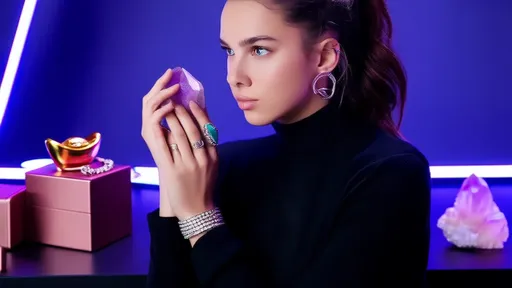
The intersection of high fashion and digital identity has found its latest expression in the burgeoning market of virtual haute joaillerie. As the metaverse continues to evolve, luxury jewelry houses and independent designers are racing to outfit avatars with digital gems that carry the same prestige as their physical counterparts. This isn’t merely about pixelated accessories—it’s a seismic shift in how status, artistry, and self-expression are curated in virtual spaces.
For centuries, fine jewelry has served as a tangible marker of wealth, taste, and cultural capital. Now, as our digital personas demand equal sophistication, Cartier, Boucheron, and emerging crypto-native brands are answering with collections that exist solely as NFTs or augmented reality overlays. The implications are profound: a generation that may never own a physical diamond ring is enthusiastically investing in blockchain-verified virtual stones.
The allure lies in exclusivity reimagined. Limited-edition digital necklaces or programmable earrings that change color based on cryptocurrency fluctuations represent more than whimsical status symbols. They’re becoming vessels for technological storytelling—where the craftsmanship exists in code rather than goldsmithing techniques. Tiffany’s 2022 NFTiff project exemplified this, allowing CryptoPunk holders to redeem physical pendants matching their pixelated avatars’ traits while receiving a digital twin.
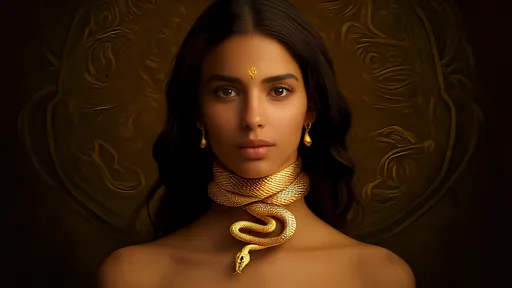
Social platforms like Decentraland and Zepeto have become virtual runways where users flaunt their blockchain-backed adornments. The psychology mirrors IRL jewelry culture: scarcity drives desire, algorithmic rarity replaces carat weight, and smart contracts enforce provenance more rigorously than any paper certificate. What’s revolutionary is how these pieces transcend platform limitations—a Bvlgari serpent bracelet purchased as an NFT can theoretically coil around wrists across multiple metaverses.
Monetization models are as innovative as the designs themselves. Some houses sell digital-only pieces at accessible price points to cultivate new audiences, while others bundle them with physical purchases as "phygital" experiences. The most avant-garde approach comes from designers like The Fabricant, whose entirely digital couture collections include jewelry that interacts with wearers’ movements through procedural animation—a feature impossible with static physical gems.
Critics dismiss virtual jewels as speculative fads, but market data tells a different story. A 2023 report from Morgan Stanley projected the digital luxury goods market could reach $50 billion by 2030, with jewelry accounting for nearly 20% of that figure. Younger demographics show particular enthusiasm, with 38% of Gen Z consumers in a recent Deloitte survey expressing willingness to spend over $100 on wearable digital assets.
The environmental angle presents fascinating contradictions. While eliminating mining impacts, energy-intensive blockchain networks raise sustainability questions. Forward-thinking brands are responding with carbon-neutral NFT platforms and "living" jewels that evolve aesthetically based on the owner’s eco-friendly actions in connected apps—a poetic fusion of ethics and ornamentation.
Perhaps most intriguing is how virtual jewelry challenges traditional notions of permanence. Physical heirlooms endure through generations; digital pieces might glitch, become incompatible with new systems, or gain value precisely because of their technological obsolescence. Preservation has become an active process—blockchain museums and decentralized storage solutions now offer "climate-controlled" environments for precious pixels.
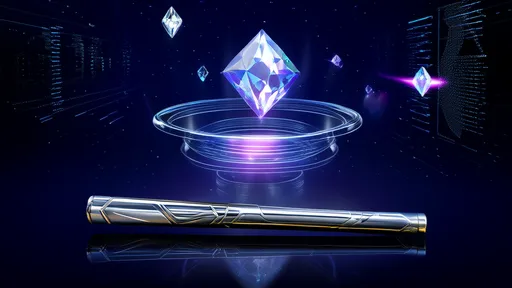
As augmented reality glasses and haptic feedback gloves mature, the sensory experience of virtual jewelry will deepen. Imagine feeling weightless platinum bands through neural interfaces or watching diamonds refract light differently based on your real-world surroundings through AR lenses. The jewelry industry’s future may not be in vaults, but in the cloud—where access matters more than possession, and self-adornment becomes an endlessly mutable art form.
By /Jun 24, 2025
By /Jun 24, 2025
By /Jun 24, 2025
By /Jun 24, 2025
By /Jun 24, 2025
By /Jun 24, 2025
By /Jun 24, 2025
By /Jun 24, 2025
By /Jun 24, 2025
By /Jun 24, 2025
By /Jun 24, 2025
By /Jun 24, 2025
By /Jun 24, 2025
By /Jun 24, 2025
By /Jun 24, 2025
By /Jun 24, 2025
By /Jun 24, 2025